Shoulder Pain Physical Therapy New Braunfels: Your Guide to Lasting Relief
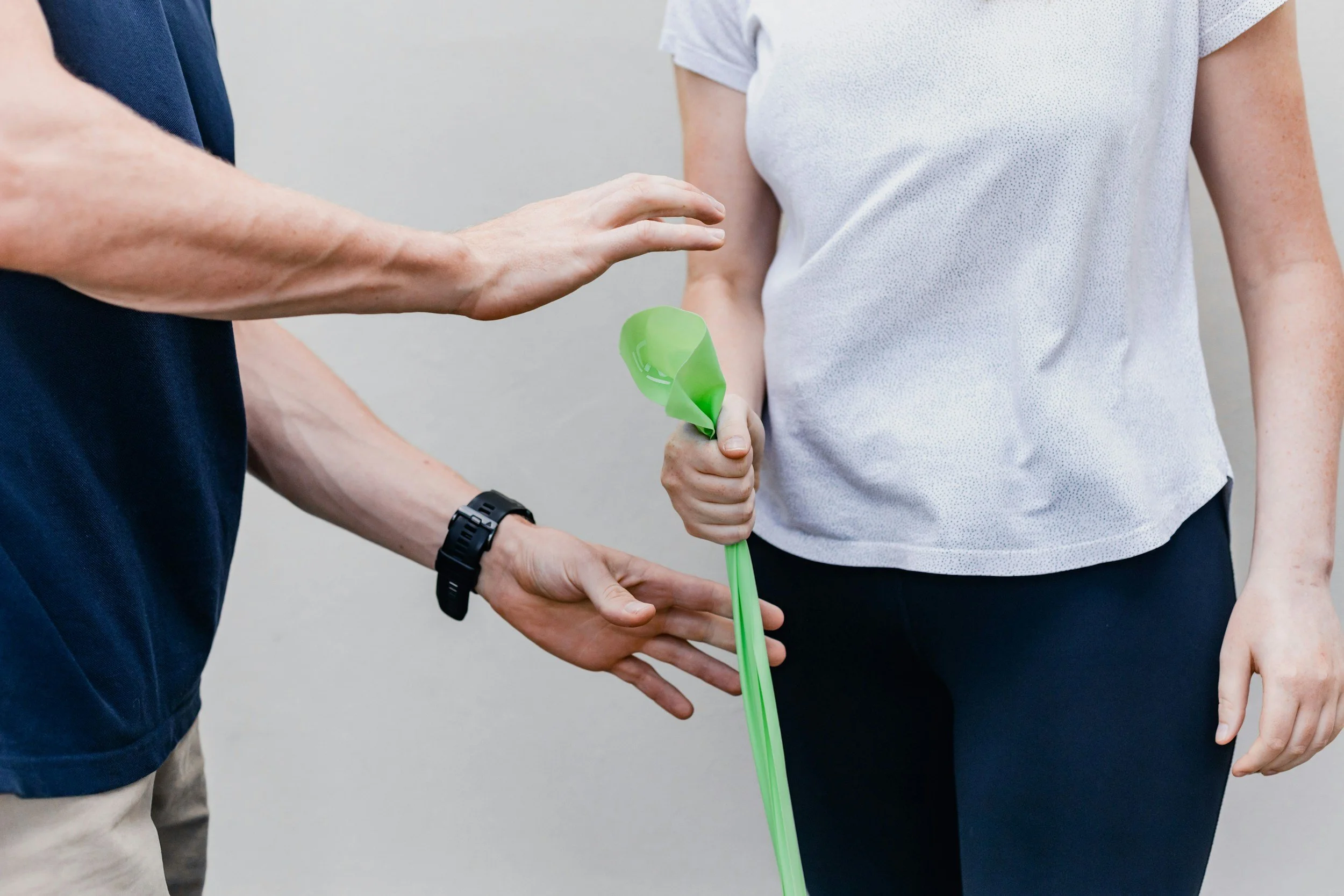
Shoulder pain can make even the simplest daily tasks feel difficult. Whether you're reaching into a cabinet, throwing a baseball with your child, lifting at work, or trying to get comfortable at night, shoulder pain can affect nearly every aspect of your life.
For residents of New Braunfels and surrounding communities, shoulder injuries are especially common among active adults, athletes, construction workers, healthcare professionals, and retirees who want to stay independent and active.
If you're looking for shoulder pain physical therapy New Braunfels, understanding the cause of your pain and the treatment options available is the first step toward recovery.
Why Shoulder Pain Is So Common
The shoulder is one of the most mobile joints in the human body. While this mobility allows us to reach, lift, throw, and carry objects, it also makes the shoulder more vulnerable to injury.
Many patients in New Braunfels develop shoulder pain from:
Repetitive overhead activities
Sports participation
Heavy lifting at work
Poor posture from desk work
Age-related wear and tear
Previous shoulder injuries
Falls or traumatic accidents
Because the shoulder relies on a complex system of muscles, tendons, ligaments, and joints working together, even a small problem can lead to significant discomfort and loss of function.
Common Conditions Treated
Understanding the source of your symptoms is essential for effective treatment. Some of the most common shoulder conditions treated through physical therapy include:
Rotator Cuff Injuries
The rotator cuff consists of four muscles and tendons that stabilize and move the shoulder. These structures can become irritated, strained, or torn over time.
Common symptoms include:
Pain when lifting your arm
Weakness during overhead movements
Difficulty sleeping on the affected side
Clicking or catching sensations
Shoulder Impingement
Shoulder impingement occurs when tendons become compressed during movement. This condition often develops gradually and can worsen without proper treatment.
Symptoms may include:
Pain when reaching overhead
Discomfort when reaching behind your back
Reduced shoulder mobility
Pain during exercise or work activities
Frozen Shoulder
Also known as adhesive capsulitis, frozen shoulder causes stiffness and pain that progressively limits movement.
Patients often notice:
Gradual loss of range of motion
Difficulty dressing or grooming
Persistent shoulder stiffness
Pain that worsens over time
Labral Injuries
The labrum is a ring of cartilage that helps stabilize the shoulder joint. Athletes and individuals who perform repetitive overhead activities are particularly susceptible to labral injuries.
Arthritis
Shoulder arthritis can develop with age and may lead to:
Joint stiffness
Pain during movement
Grinding sensations
Reduced function
How Physical Therapy Helps Relieve Shoulder Pain
Physical therapy is often one of the most effective non-surgical treatments for shoulder pain. Rather than masking symptoms, physical therapy addresses the underlying cause of the problem.
Treatment may include:
Pain Reduction Techniques
Early treatment focuses on decreasing irritation and improving comfort through:
Manual therapy
Soft tissue techniques
Joint mobilization
Therapeutic exercise
Restoring Mobility
Many shoulder conditions lead to stiffness and restricted movement.
Your physical therapist will use targeted stretching and mobility exercises to help restore normal shoulder function safely.
Improving Strength
Weakness in the shoulder, upper back, and core can contribute to ongoing pain.
A progressive strengthening program helps:
Improve stability
Reduce stress on injured tissues
Enhance overall shoulder performance
Movement Retraining
Many shoulder injuries develop because of poor movement patterns. Physical therapists analyze how you move and teach more efficient mechanics to prevent future problems.
Return to Activity
Whether your goal is returning to golf, pickleball, weightlifting, swimming, work duties, or everyday activities, treatment is designed to help you safely return to the activities you enjoy.
What to Expect During Your First Shoulder Pain Physical Therapy Appointment
Many patients feel unsure about what happens during an initial physical therapy evaluation. Knowing what to expect can help you feel more comfortable and confident.
1. Detailed Health History
Your therapist will discuss:
When your pain started
What activities aggravate symptoms
Previous injuries or surgeries
Your work and recreational activities
Your recovery goals
2. Comprehensive Physical Examination
The evaluation may include:
Range of motion testing
Strength assessments
Posture analysis
Functional movement testing
Special orthopedic tests
This process helps determine the exact source of your symptoms.
3. Personalized Treatment Plan
After the evaluation, your therapist will explain:
What is causing your pain
Recommended treatment strategies
Expected recovery timeline
Home exercises and self-management techniques
You'll leave with a clear understanding of your condition and the next steps in your recovery.
When to Seek Shoulder Pain Physical Therapy?
Many people wait months before seeking treatment, hoping shoulder pain will resolve on its own.
Consider scheduling an evaluation if you experience:
Pain lasting longer than two weeks
Difficulty lifting your arm
Night pain that disrupts sleep
Weakness during daily activities
Loss of shoulder mobility
Pain that interferes with work or exercise
Early intervention often leads to faster recovery and can help prevent more serious complications.
Tips for Preventing Future Shoulder Pain
While not every injury can be avoided, these habits can help reduce your risk:
Maintain good posture throughout the day
Strengthen your upper back and shoulder muscles
Warm up before exercise
Avoid sudden increases in activity levels
Take breaks during repetitive tasks
Address minor aches before they become major problems
Regular movement and proper conditioning can go a long way toward keeping your shoulders healthy.