What to Expect: Your Physical Therapy Timeline After Rotator Cuff Surgery in New Braunfels, Texas
Recovering from rotator cuff surgery takes time, patience, and a structured rehabilitation plan. If you are preparing for or recently had rotator cuff repair surgery in New Braunfels, Texas, knowing what to expect during each stage of recovery can make the process feel much less overwhelming.
While every recovery is different, physical therapy typically progresses through several phases. Your timeline may vary depending on the type and size of the rotator cuff tear, surgical procedure, tissue healing, age, overall health, and recommendations from your orthopedic surgeon.
At BTY Physical Therapy in New Braunfels, we work closely with patients throughout their recovery to restore shoulder mobility, strength, and confidence while following the precautions provided by their surgeon.
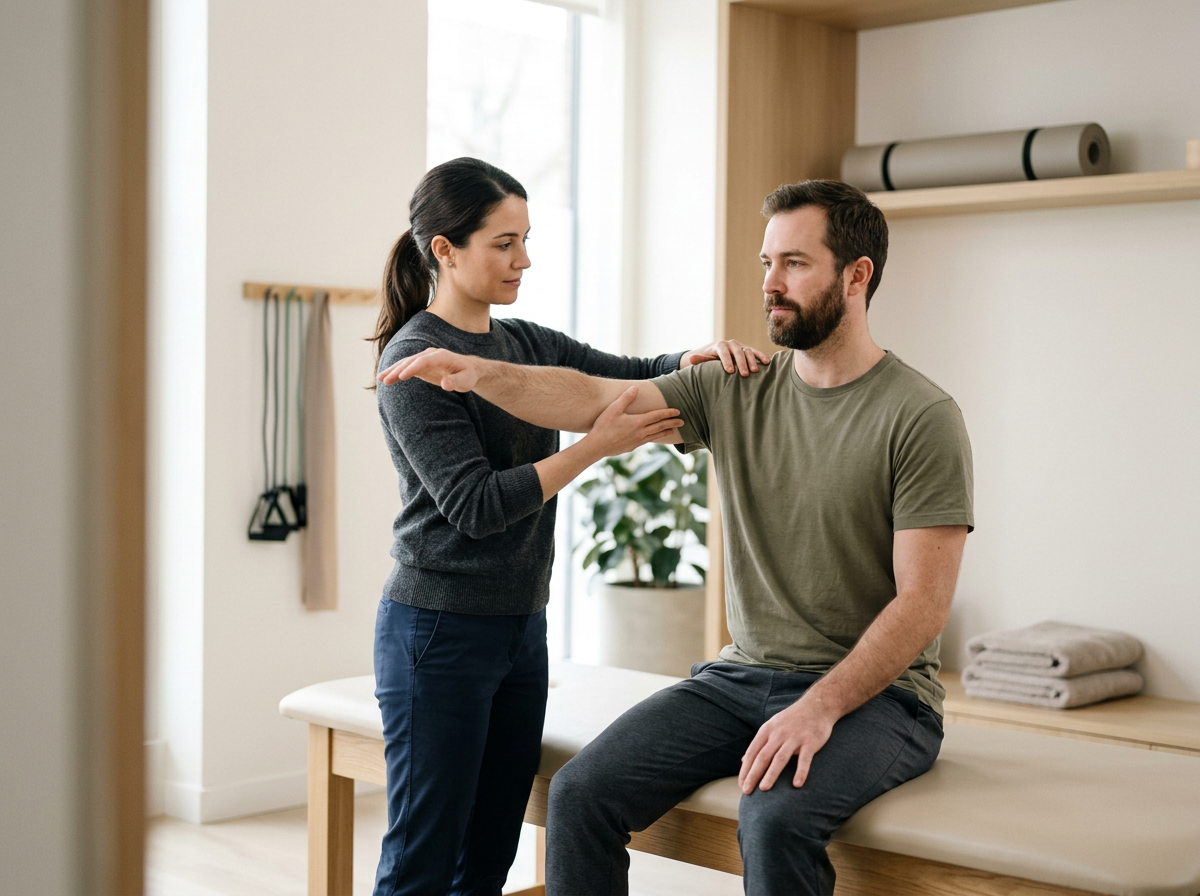
Rotator Cuff Surgery Recovery Timeline: What to Expect
Weeks 0–2: Protecting the Repair
The first few weeks after rotator cuff surgery are focused primarily on protecting the surgical repair and allowing the shoulder to begin healing.
You will commonly wear a sling during this stage, and your surgeon may have specific restrictions regarding shoulder movement.
Physical therapy during this phase may focus on:
Managing pain and swelling
Maintaining mobility in areas that can safely move
Gentle shoulder mobility as permitted by the surgeon
Elbow, wrist, and hand movement
Education on positioning and daily activities
Learning how to safely use the arm during recovery
Important: Your shoulder may not feel better immediately after surgery. Some soreness, stiffness, and difficulty sleeping are common during the early stages of recovery.
The goal isn't to rush the shoulder. The goal is to protect the repair while maintaining as much safe movement as possible.
Weeks 3–6: Gradually Restoring Shoulder Motion
As the shoulder continues to heal, rehabilitation may gradually place more emphasis on restoring range of motion.
Depending on your surgeon's protocol, physical therapy may include gentle assisted or passive shoulder movements.
You may notice that everyday activities are still difficult. Reaching overhead, putting on a shirt, washing your hair, or reaching behind your back may not yet be comfortable.
This is normal.
At this stage, the focus is generally on gradual progress rather than forcing movement.
Your physical therapist will monitor your shoulder mobility and symptoms while progressing exercises according to your surgical protocol.
Weeks 6–12: Building Mobility and Beginning Strengthening
Around this stage, many patients begin transitioning toward more active shoulder movement and, when cleared by the surgeon, strengthening exercises.
The exact timing varies significantly between patients.
Physical therapy may begin incorporating exercises designed to improve:
Rotator cuff function
Shoulder blade control
Shoulder stability
Upper-body strength
Functional reaching
Coordination and movement mechanics
You may still experience stiffness or discomfort, especially with certain movements.
One of the biggest milestones during this phase is being able to use the arm more comfortably during everyday activities.
Months 3–6: Rebuilding Strength and Function
The focus gradually shifts from simply moving the shoulder to making the shoulder stronger and more functional.
Exercises may become more challenging and specific to your daily activities, work, hobbies, or recreational goals.
Your physical therapist may progress you through:
Resistance exercises
Rotator cuff strengthening
Scapular strengthening
Functional reaching exercises
Lifting activities
Progressive weight-bearing exercises
Activity-specific training
It's important to remember that feeling better does not necessarily mean the shoulder is fully healed.
The rotator cuff can continue to recover for many months, which is why returning to heavier activities too quickly can be problematic.
6+ Months: Returning to Normal Activities
By this point, many patients are working toward returning to their normal activities.
However, recovery timelines can vary considerably.
Some people may return to many daily activities relatively quickly, while others may continue working on strength, mobility, and endurance for several additional months.
Your physical therapist and orthopedic surgeon can help determine when it is appropriate to progress toward higher-level activities.
What Is a Realistic Rotator Cuff Recovery Timeline?
A general timeline may look like this:
Weeks 0–2: Protect the repair, manage symptoms, gentle movement
Weeks 3–6: Gradually restore mobility
Weeks 6–12: Increase active movement and begin strengthening when cleared
Months 3–6: Progressive strengthening and functional activities
6+ months: Continued strengthening and return toward normal activities
These are general guidelines, not a personalized rehabilitation protocol. Your orthopedic surgeon's instructions should take priority because the appropriate timeline can vary based on your specific surgery.
Frequently Asked Questions About Rotator Cuff Recovery
How long does it take to recover from rotator cuff surgery?
Recovery commonly takes several months, and many patients continue making improvements in strength and function for 6–12 months or longer.
The timeline depends on the severity of the tear, surgical procedure, healing, age, activity level, and other individual factors.
Is pain normal after rotator cuff surgery?
Some pain and soreness are expected after surgery. Pain should generally be monitored as rehabilitation progresses rather than ignored.
Your physical therapist can help you understand how symptoms respond to movement and exercise and communicate concerns with your medical team when appropriate.
If you experience a significant change in pain, new symptoms, or anything that concerns you, contact your surgeon or healthcare provider.
When can I stop wearing the sling?
This depends on your surgery and your orthopedic surgeon's instructions.
Some patients remain in a sling longer than others depending on the type of repair and the surgeon's protocol. Your physical therapist can help you safely transition out of the sling when your surgeon has cleared you to do so.
When can I drive after rotator cuff surgery?
Driving should only resume when you are medically cleared and can safely control the vehicle without the sling or surgical limitations interfering with your ability to drive.
Your surgeon should provide guidance specific to your situation.
When can I sleep normally after rotator cuff surgery?
Sleeping can be one of the most frustrating parts of early rotator cuff recovery.
Many patients find it more comfortable to sleep slightly elevated and use pillows to support the arm. Your physical therapist can also help you find positions that are more comfortable while following your post-operative precautions.
When can I return to the gym?
Returning to the gym should be gradual.
Lower-body exercise and other activities may be appropriate earlier than exercises that place significant stress on the surgical shoulder. Your physical therapist and surgeon can help determine when specific exercises are appropriate.
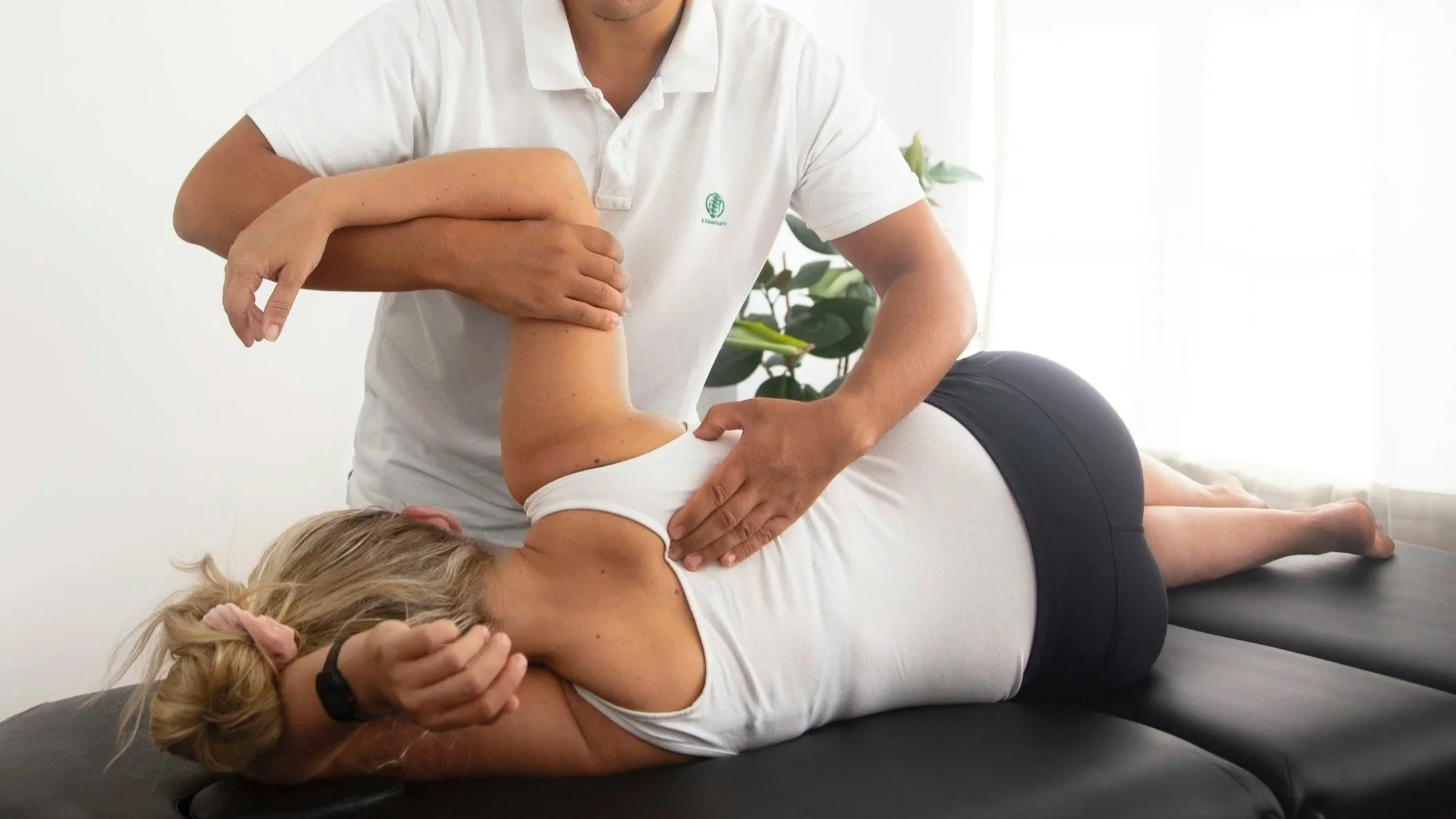
Why Physical Therapy Is Important After Rotator Cuff Surgery
Successful recovery isn't simply about getting the shoulder to move again.
Rehabilitation is designed to progressively restore mobility, strength, coordination, and function while respecting the healing process.
A physical therapist can monitor your progress and modify exercises based on how your shoulder is responding.
At BTY Physical Therapy, our goal is to help patients understand what they should be doing, what they should avoid, and how their rehabilitation is progressing.
Coordinating Care With Orthopedic Surgeons in the New Braunfels Area
Rotator cuff recovery works best when the patient, physical therapist, and orthopedic surgeon are working toward the same goal.
As a local physical therapy practice serving New Braunfels and the surrounding communities, BTY Physical Therapy coordinates care with orthopedic providers throughout the New Braunfels and greater San Antonio area when appropriate.
This can include communicating about:
Surgical precautions
Range-of-motion restrictions
Strengthening progression
Changes in symptoms
Functional progress
Questions or concerns that arise during rehabilitation
Having communication between the orthopedic team and physical therapist helps create a more coordinated recovery experience for the patient.
Looking for Rotator Cuff Physical Therapy in New Braunfels, Texas?
Recovering from rotator cuff surgery can be frustrating, especially when you aren't sure whether your progress is normal.
Physical therapy provides a structured way to gradually work toward improved shoulder mobility, strength, and function.
BTY Physical Therapy provides one-on-one physical therapy in New Braunfels, Texas, with individualized rehabilitation based on your condition, goals, and medical team's recommendations.
If you recently had rotator cuff surgery or are preparing for surgery, contact BTY Physical Therapy in New Braunfels to learn more about your physical therapy options.
Disclaimer: This article provides general educational information and is not a substitute for medical advice or an individualized rehabilitation program. Rotator cuff surgery protocols vary. Always follow the specific instructions provided by your orthopedic surgeon and healthcare team.
BTY Physical Therapy
📍 2115 Stephens Pl 410 Suite A, New Braunfels, TX 78130
📞 830-743-9661